Customs Service representatives trained in the field of personal data protection
 15 Views
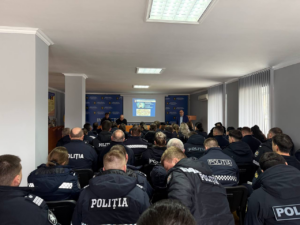
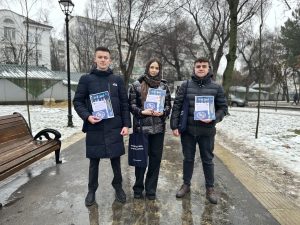
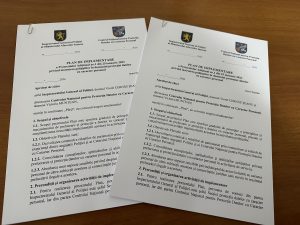
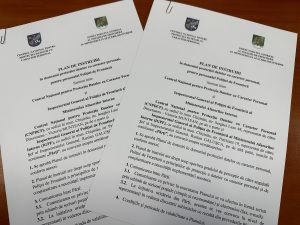
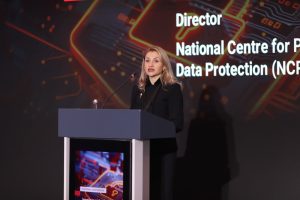
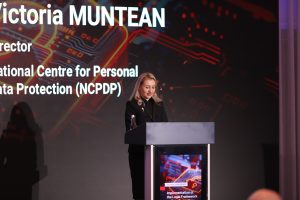
On February 23, 2026, the National Center for Personal Data Protection (NCPDP) organized and conducted a training session for employees of the Customs Service, following a request submitted by them.
The training course aimed to strengthen the institutional capacities of Customs Service representatives in the field of personal data protection by deepening their theoretical and practical knowledge of the relevant national regulatory framework, the principles of personal data processing, safeguards for the rights of data subjects, as well as the responsibilities of data controllers and data processors.
The session addressed key issues concerning the legality and grounds for processing personal data in the exercise of the Customs Service’s functional duties, the application of the principles of proportionality and data minimization, ensuring the confidentiality and security of processed information, the management of security incidents, as well as mechanisms for cooperation with the supervisory authority.
In addition, case studies relevant to the specific nature of customs activities were analyzed, including situations involving the exchange of data with other national and international public authorities, the use of automated information systems, as well as data processing in the context of customs control and fraud prevention. The focus was on identifying the risks associated with the processing of personal data and on implementing appropriate technical and organizational measures to prevent violations of relevant legislation.
In the context of the Customs Service’s operational responsibilities, which involve the processing of a considerable volume of personal data, including sensitive data, the training emphasized the importance of integrating the principle of accountability into all operational processes, as well as the need for proper documentation of processing operations.
Among the learnings from the course are:
- the need for a prior assessment of risks to the fundamental rights and freedoms of individuals when implementing new procedures or information systems;
- strengthening the organizational culture regarding data protection;
- the designation and active involvement of the data protection officer in decision-making processes;
- ensuring ongoing training for staff responsible for data processing.
The training highlighted the essential role of continuing professional development in preventing security incidents and ensuring compliance with applicable legal regulations. At the same time, it contributed to the standardization of internal practices and the consolidation of an operational framework compatible with national and international standards in the field of data protection.
The NCPDP reiterates its willingness to provide methodological and advisory support to public authorities for the correct and uniform implementation of personal data protection legislation, emphasizing that the effective protection of the right to privacy is a fundamental condition for the lawful and transparent exercise of official duties.
During the event, 145 customs officials were trained.